Lloyds Banking Group and Visa conducted a 7-day pilot of cross-border settlement using stablecoins, processing $750,000 in payment obligations.
U.K. banking group Lloyds Banking Group, which serves 28 million customers and about 1 million businesses, and global payments company Visa completed a test of stablecoin-based settlement between the U.K. and the U.S. The pilot demonstrated the benefits of using stablecoins for cross-border settlement.
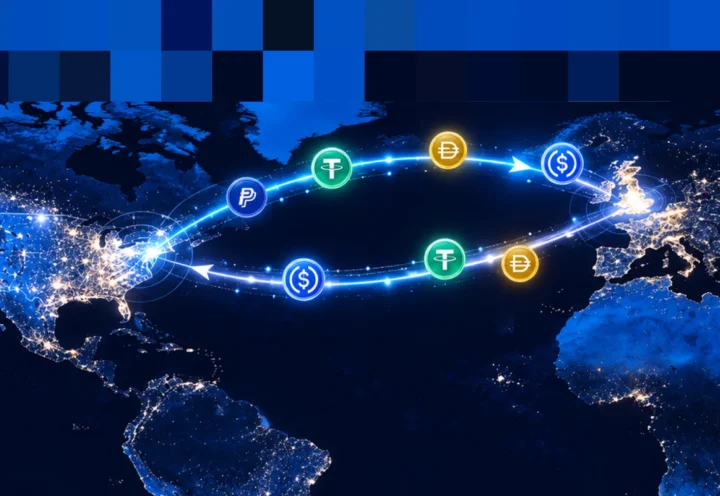
The initiative focused on the exchange of funds between financial institutions to complete and reconcile payment transactions, instead of customer payments. Over 7 days, Lloyds transferred a total of $750,000 in stablecoins to Visa. The bank used USDC purchased through Archax, a U.K.-regulated digital asset exchange. The transactions were booked through Lloyds Bank Corporate Markets plc, Lloyds Banking Group’s official offshore unit in Jersey. The funds were then transferred to Visa in the U.S.
The tests showed that funds could be transferred in under an hour, including on weekends. According to Lloyds, traditional cross-border settlement can take a day or longer when initiated outside banking hours. Stablecoins could potentially allow financial institutions to settle certain transactions around the clock and reduce the amount of liquidity tied up while settlements are pending, particularly on weekends and holidays.
Another part of the pilot tested interoperability between different blockchain infrastructures. Lloyds used its own node on Canton Network with configurable privacy features, while Visa supported settlement on a public blockchain network.
Peter Left, Head of Digital Assets at Lloyds Banking Group, said the experiment allowed the companies to test stablecoins with real payment obligations instead of a theoretical model. He said greater visibility into the movement of funds and more certainty over settlement times could change how companies manage liquidity, while blockchain interoperability could expand opportunities for the large-scale use of digital money.
Lloyds is one of the financial institutions participating in an international consortium focused on issuing stablecoins, as well as a participant in a pilot project involving tokenized sterling deposits. The bank also participates in trials of SWIFT’s blockchain ledger for cross-border payments using tokenized deposits and uses tokenized government bonds and money market fund units as collateral for foreign exchange transactions.