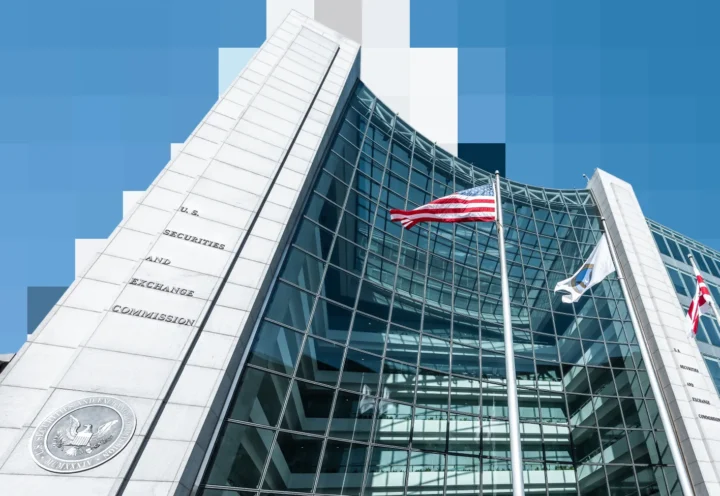
The U.S. Securities and Exchange Commission (SEC) announced the implementation of a new system for classifying crypto-assets and introduced the concept of a “safe harbor” for tokens, aimed at reducing regulatory uncertainty in the market.
Paul Atkins, Chair of the SEC, speaking at the DC Blockchain Summit in Washington, stated that for the first time in more than a decade, the agency developed a clear interpretation of which crypto-assets fall under securities laws.
According to Atkins, the new model identifies four categories of assets that the agency doesn’t consider securities:
- digital commodities;
- digital collectibles;
- digital tools;
- payment stablecoins under the GENIUS Act.
Under the new interpretation, only one category now falls under SEC regulation — tokenized traditional financial instruments. At the same time, Atkins clarified that crypto-assets may still be subject to securities laws if they’re distributed as part of investment contracts.
Besides, Atkins presented a crypto-asset regulatory concept based on the “safe harbor” idea proposed by Commissioner Hester Peirce back in 2020. As part of this initiative, Atkins proposes creating several mechanisms for legally raising capital. These include:
- A temporary startup exemption from SEC registration for up to four years, during which projects may raise up to $5 million, provided they disclose information about the investment model and token characteristics.
- A fundraising exemption, allowing issuers to raise up to $75 million within 12 months, with mandatory disclosure of financial condition and reporting.
- An investment contract safe harbor, under which a token may cease to be considered a security after all declared managerial obligations by the issuer have been fulfilled.
Atkins placed particular emphasis on the criteria for completing an investment contract. He stressed that the obligations and promises made by the project team must be clearly disclosed and defined, and the dependence of investors on the issuer’s managerial efforts must be unambiguously determined. Once these conditions are met, the asset may fall outside the scope of securities laws.
Atkins stated that the SEC plans to put the proposed regulation up for public discussion in the coming weeks. He also noted that the initiative will be implemented in coordination with the Commodity Futures Trading Commission (CFTC), as well as taking into account legislation being developed by Congress, including the CLARITY Act. According to the SEC chair, the new model is intended to strike a balance between investor protection and support for innovation, creating a predictable legal environment for the development of the crypto industry in the United States.
Earlier, the SEC and CFTC signed a Memorandum of Understanding aimed at harmonizing regulation in areas of overlapping jurisdiction, and also announced the possibility of independently establishing a regulatory framework for the cryptocurrency industry.