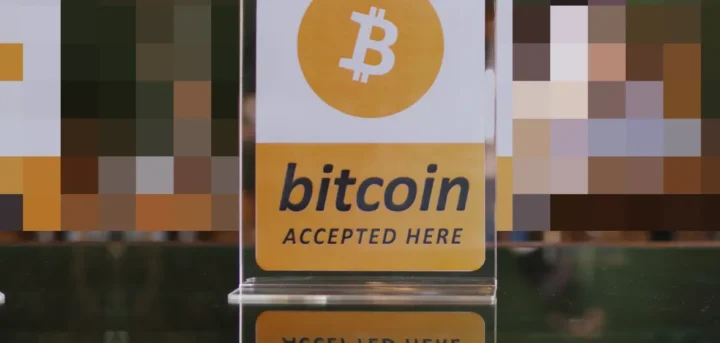
Cryptocurrency continued to strengthen its position as a payment method, making it possible to pay for a wide range of goods and services. In 2026, consumers can buy virtually anything with cryptocurrency that they can purchase with fiat using a traditional Visa or Mastercard.
Payment technology has also reached the point where digital assets are deducted from a user’s crypto wallet at the moment of purchase and, within fractions of a second, arrive in the merchant’s account as U.S. dollars, euros, or any other fiat currency.
Here’s a closer look at what you can buy with cryptocurrency today, which digital assets you can use, and how crypto payments work.
How Crypto Payments Work Today
Crypto payments typically fall into a few common categories:
- Direct merchant payments. Customers select a digital asset at checkout and authorize the transaction through a crypto payment gateway.
- Payments through a processor. A third party accepts the cryptocurrency, verifies the transaction, and settles with the merchant in the preferred currency.
- Crypto cards. Customers pay with a payment card, while the equivalent amount is automatically converted from their digital assets.
- Gift cards and vouchers. Cryptocurrency is used to purchase a gift card or voucher, which is then redeemed for goods or services.
Direct crypto payments are often made with U.S. dollar stablecoins. By 2026, they had become especially common for cross-border transactions, service payments, and high-value purchases.
In March 2026, Visa reported that retail transfers using USDC, USDT, and PYUSD increased from about $0.5 billion in 2019 to $69.8 billion in 2025. The number of transactions rose from 4.7 million to roughly 1.3 billion over the same period.
BTC, ETH, and other leading cryptocurrencies are also used for everyday purchases. However, their price volatility has made them less popular as payment instruments than stablecoins. Even so, BTC Map data showed that, as of early July 2026, more than 26,000 merchants worldwide accepted Bitcoin payments. About 23% of them began accepting the cryptocurrency in 2026.
Where You Can Pay With Cryptocurrency in 2026
In 2026, cryptocurrency can be used to pay for both digital and physical goods and services, including consumer electronics, food, luxury goods, rent, and professional services. Here’s a look at the key sectors where crypto payments have become an established part of commerce.
Travel and Tourism
Travel remains one of the most mature sectors for crypto payments. For travelers, cryptocurrency offers a convenient way to pay for cross-border services without the need for currency exchanges or lengthy processing times.
The most common use cases include:
- Airfare purchases
- Hotel and vacation rental bookings
- Car rentals
- Guided tours and excursions
- Event tickets
In most cases, crypto payments are processed through platforms that partner with airlines, hotel chains, and travel aggregators. By 2025, more than 11% of travel agencies already accepted cryptocurrency as a payment method.
Demand for crypto payments has also grown in many of the world’s most popular tourist destinations. In 2025, Bhutan launched the world’s first nationwide crypto payment system for tourists. That same year, Thailand introduced a pilot program in Phuket that allowed visitors to use Bitcoin and other cryptocurrencies to pay for goods and services.
Food and Everyday Essentials
Everyday spending remains one of the most challenging categories for crypto payments, as major retail chains still rarely accept digital assets directly. Even so, the number of such examples continues to grow, particularly in the U.S., where retailers have begun testing new payment models.
In 2024, for example, convenience store chain Sheetz, which operates 750 locations across 7 states, introduced support for USDC and other digital assets, allowing customers to pay for everyday purchases and a range of consumer services. The move made Sheetz one of the first major U.S. retail chains to support crypto payments. In 2025, Bealls Inc. became the first nationwide U.S. retailer to accept crypto payments across all 660 of its stores.
Cafés, Restaurants, and Food Delivery
Restaurant bills and food delivery orders are more commonly paid for using crypto cards, gift cards, or local payment services than through direct cryptocurrency transactions. In practice, this can include ordering takeout, buying groceries through a delivery platform, paying a café bill in a crypto-friendly neighborhood, or making purchases from a small local merchant.
In 2025, for example, Square successfully tested Bitcoin payments at Compass Coffee using a standard POS terminal powered by the Lightning Network.
E-commerce
In e-commerce, cryptocurrency can be used to purchase virtually anything, from consumer electronics and apparel to home goods and niche products. Prices are typically displayed in fiat currency, while the exchange rate is locked in at checkout. Beyond that, the user experience is virtually identical to any other online purchase.
Today, even small online retailers can accept crypto payments through a wide range of payment plugins or by working with a crypto payment provider. Shopify, one of the world’s most popular e-commerce platforms, offers a good example. In 2025, the company integrated support for USDC payments into Shopify Payments, enabling merchants to accept stablecoin payments through its native payment gateway.
Digital Goods and Online Services
Crypto payments are a natural fit for digital goods and online services, as merchants and service providers can easily automate access once a transaction is confirmed. Cryptocurrency can be used to pay for software, cloud services, web hosting, domain names, VPN subscriptions, email services, and developer tools.
One example is Namecheap, one of the world’s largest domain registrars. The company began accepting Bitcoin in 2013 and now supports a wide range of digital assets for payments.
Another growing segment is creator-led educational products and professional content. Many independent educators and industry experts accept cryptocurrency for online courses, research and analytical content, digital libraries, and membership access to private communities. Payments are typically processed through specialized crypto payment gateways or integrations with platforms such as Kajabi, Thinkific, Teachable, and Podia, which support alternative payment methods.
Gaming and Entertainment
Virtual goods, in-game currencies, and microtransactions have long been standard features of the gaming industry. Direct cryptocurrency payments, however, remain relatively uncommon. In practice, the most widespread approach is to use digital assets to purchase gift cards for major gaming platforms through services such as Bitrefill or CryptoRefills. Those gift cards can then be redeemed to buy games, purchase in-game currency, and pay for other digital content.
Luxury Goods
Luxury retail has emerged as one of the more active segments for crypto payments. High average transaction values, an international customer base, and the need to streamline cross-border payments have all contributed to broader adoption. Today, digital assets can be used to purchase watches, jewelry, designer apparel, handbags, artwork, collectibles, and even certain automobiles.
One of the most notable examples is French luxury retailer Printemps, which began accepting cryptocurrency at all of its stores in France in late 2024. Binance partnered on the initiative and, in July 2025, also introduced crypto payments at more than 80 luxury businesses serving tourists across Cannes, Nice, Antibes, and Monaco.
Real Estate
Cryptocurrency has been used in real estate transactions for nearly a decade. Buyers can use digital assets to purchase residential and commercial properties or, where landlords and intermediaries accept them, pay rent. Property prices are typically denominated in fiat currency, with cryptocurrency serving as the payment method.
Regardless of how a transaction is settled, real estate purchases must still comply with all applicable legal and regulatory requirements, including contracts, source-of-funds verification, tax assessments, and other jurisdiction-specific procedures.
A notable example emerged in 2025, when Christie’s International Real Estate, whose portfolio of luxury properties exceeds $100 billion in estimated value, established a dedicated team to support transactions settled entirely in cryptocurrency.
For a more detailed look at crypto payments in the real estate sector, see CP Media’s dedicated article.
Professional and Business Services
Cryptocurrency can be used to pay for far more than goods. It has also become a practical payment method for a wide range of professional services. This approach is particularly common when working with remote professionals and international contractors, especially in the technology and digital services sectors. Digital assets are frequently used to pay for software development, web design, marketing, content creation, legal services, and consulting.
Specialized freelance platforms support these payment models. On LaborX and CryptoJobs, for example, employers can hire professionals and pay them in cryptocurrency. Many independent freelancers also accept digital assets directly through Coinbase Commerce, BTCPay Server, and other crypto payment solutions.
Donations and Creator Support
Cryptocurrency has also become a convenient way to make donations and support creators. Digital assets can be used to contribute to charitable organizations, independent media outlets, open-source software developers, research initiatives, artists, and content creators.
Several specialized platforms facilitate these transactions. The Giving Block and Endaoment help nonprofit organizations accept digital asset donations, while Gitcoin focuses on funding open-source software and other public-interest projects.
Cryptocurrency Is Becoming a Mainstream Payment Method, but Not a Universal One
Despite the growing range of use cases for cryptocurrency, some categories of goods and services still rarely support this payment method. In most cases, the limitations stem from regulatory requirements, financial infrastructure constraints, or the need to provide additional consumer protections. These categories include:
- Government fees, taxes, and utility bills
- Medical services in jurisdictions with strict payment regulations
- Goods and services purchased on credit or through installment plans
- Products with long warranty periods and a high likelihood of returns
- Transactions in jurisdictions where the use of digital assets is restricted
As payment infrastructure continues to evolve, this list is gradually shrinking. Even so, the pace of adoption still depends largely on regulatory requirements and businesses’ willingness to embrace new payment methods.