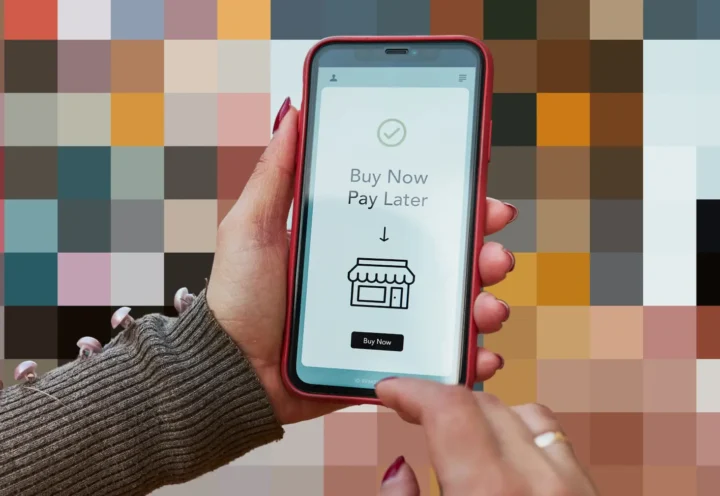
Just a few years ago, installment payments were viewed primarily as a way to make purchases more affordable for consumers who weren’t ready or able to pay the full amount upfront. Today, that perception is changing. More consumers are choosing BNPL, even when they could easily afford to pay the full amount at once.
This shift in consumer behavior is reshaping payment solutions. Installment payments were once considered an additional service. Today, they’re increasingly becoming a key part of companies’ competitive strategy.
Why Are Even Affluent Consumers Choosing Installment Plans?
The common assumption that paying in installments is used primarily by budget-conscious consumers no longer reflects reality.
According to PYMNTS Intelligence, households with annual incomes above $100,000 used BNPL services 71% more often than lower-income consumers. They were also 57% more likely to finance purchases through credit card installment plans.
Data from the Consumer Financial Protection Bureau (CFPB) also suggested that installment plans became part of everyday financial habits. The average number of BNPL purchases per user increased from 5.7 to 6.3 per year, while the average amount spent through a single BNPL provider rose from $745 to $848.
These figures suggest that the decision to pay in installments is becoming less about income level and more about financial strategy.
What’s Driving the Shift in Consumer Attitudes Toward Installment Plans?
Advances in payment technology alone can’t explain the growing popularity of installment plans. Several factors contributed to this trend:
- High inflation increased the value consumers place on keeping cash available
- Rising living costs made consumers more attentive to managing their personal budgets
- Economic uncertainty increased demand for greater financial flexibility
- The rapid development of digital payment services made installment plans fast and almost frictionless to use
Together, these changes affected more than the availability of installment plans. They also reshaped how consumers view the payment process itself.
In a high inflation environment, money today is worth more than money tomorrow. As a result, when a purchase can be split into several interest-free payments, many consumers prefer not to withdraw a large amount from their personal budget all at once. Instead, they can keep those funds as a financial cushion, place them in a savings account, or use them for other purposes.
That’s why installment plans are increasingly viewed not as a financing tool, but as a cash flow management tool.
Consumer research supports this trend. According to a PartnerCentric survey, 1 in 4 U.S. consumers said they’d started using Buy Now, Pay Later services more frequently because of the rising cost of living.
Inflation didn’t create demand for installment plans. It accelerated the shift toward a consumption model in which payment flexibility is becoming just as important as the price of the product itself.
Why Are Installment Plans Becoming a Competitive Advantage for Businesses?
The shift in consumer behavior is also affecting companies’ commercial performance, driving growing interest in short-term financing solutions. When multiple merchants offer the same product at a similar price, payment convenience can become the deciding factor for consumers.
Research by Stripe found that adding BNPL options can increase revenue by as much as 14%. More notably, more than two-thirds of installment purchases represented incremental sales for merchants. Without flexible payment options, those customers would most likely have abandoned or postponed their purchases.
Other studies reached similar conclusions. Research published in the Journal of Financial Economics found that introducing BNPL increased online retail sales by about 20%. Another study, published in the Journal of Retailing, reported a 6.4% increase in consumer spending after retailers introduced installment payment options.
For businesses, the benefits of installment plans extend across several areas:
- Higher purchase conversion through more flexible payment options
- Higher average order value by making higher-priced products more accessible
- More incremental sales
- Stronger customer loyalty through greater flexibility at checkout
- Improved competitive positioning without reducing prices
Why Is This Trend Here to Stay?
Although high inflation was one of the main catalysts behind this shift, the reasons for the growing popularity of installment plans run much deeper.
Today’s consumers expect the purchasing process to be as convenient and flexible as possible. They evaluate more than just the price of a product. They also consider the overall customer experience, including checkout speed, delivery options, payment methods, and the ability to choose the payment option that best fits their needs.
As digital payments continue to evolve, those expectations will only grow. Across many product and service categories, paying in installments is gradually becoming as standard as online payments and home delivery. As a result, businesses that offer flexible payment solutions gain a competitive advantage not only during periods of high inflation, but over the long term as well.
The shift in payment habits is one of the clearest signs of the broader transformation of modern commerce. Companies once competed primarily on product selection and price. Today, the quality of the customer experience plays an increasingly important role, and convenient, flexible payment options have become part of that experience.
Installment plans are no longer a niche financial product. For consumers, they’ve become a practical way to manage personal finances. For businesses, they provide an opportunity to improve conversion rates, increase sales, and strengthen customer relationships. That’s why this trend represents more than the growing popularity of paying in installments. It reflects the emergence of a new standard in consumer payments.