Itaú, Latin America’s largest private bank, joined a pilot project to test the tokenization of corporate bonds and investment funds in Brazil.
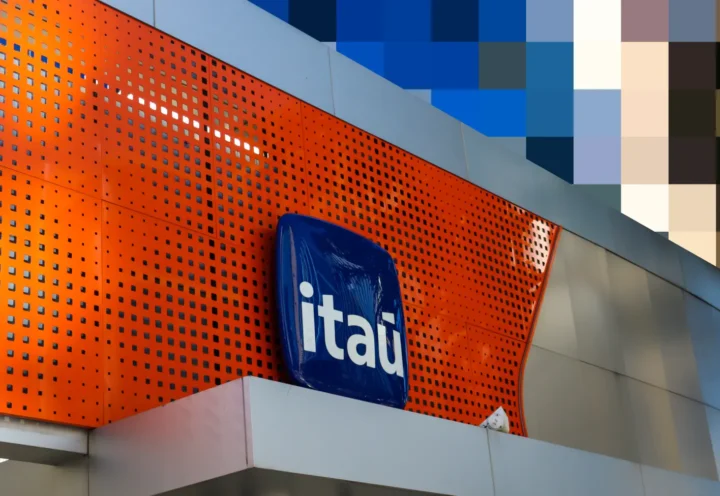
Brazil’s Itaú, Latin America’s largest private bank, announced its participation in a pilot project led by the Brazilian Financial and Capital Markets Association (ANBIMA). The initiative aims to test infrastructure for the issuance, trading, and settlement of tokenized capital market instruments. Digital asset infrastructure provider OpenAssets will serve as Itaú’s technology partner.
As part of the project, the participants will develop and evaluate the operational, technological, and regulatory requirements for tokenized assets. During the initial phase, the project will focus on corporate bonds (debentures) and investment funds. OpenAssets will provide the tokenization platform, while Itaú will contribute its expertise in capital markets and institutional finance.
ANBIMA is overseeing the pilot in a permissioned DLT network with controlled access, where participants will simulate the full lifecycle of financial instruments, from issuance to settlement. The testing won’t involve real funds or investors. The initiative aims to establish common standards, improve interoperability across market participants, and assess whether tokenized assets can be integrated into the existing capital markets infrastructure.
In April, ANBIMA selected 20 use cases from 39 applications submitted by more than 50 financial institutions and technology companies. Participants in the pilot phase include Itaú Unibanco, BTG Pactual, Bradesco, Banco Santander, Safra, B3, Banco do Brasil, Caixa, BNP Paribas, IBM, Ripple Brasil, and other market participants.
Growing interest in initiatives like this reflects broader momentum in the global RWA market. In 2025, private credit and U.S. debt securities accounted for more than half of the tokenized real world asset market. In 2026, the RWA market excluding stablecoins reached $19 billion, while the sector’s total market capitalization exceeded $51 billion.