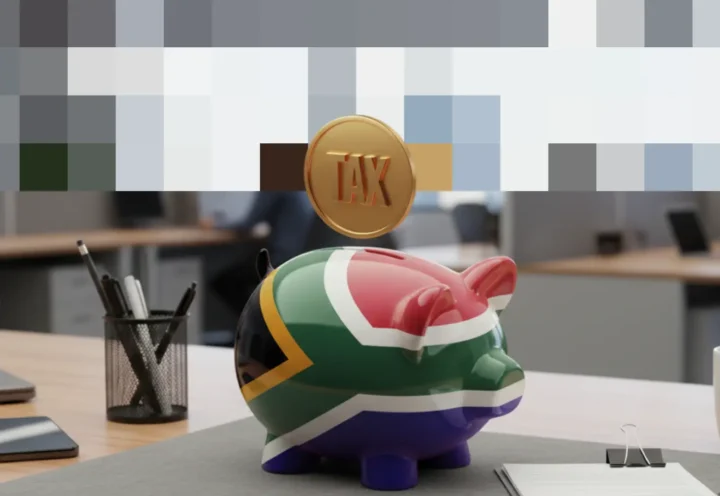
The South African Revenue Service (SARS) released a draft guide on the taxation of crypto assets, clarifying how existing tax legislation applies to digital asset transactions.
SARS published the draft guide to the taxation of crypto assets. The document doesn’t introduce a new tax regime for cryptocurrencies. Instead, it explains how the provisions of the Income Tax Act apply to crypto asset transactions, including the taxation of capital gains. The guide is primarily intended for South African tax residents engaged in digital asset transactions.
The guide provides detailed explanations of the tax treatment of the most common crypto asset activities. Specifically, it covers:
- the purchase, sale, and exchange of crypto assets;
- mining;
- receiving cryptocurrency as payment for goods and services;
- donations made in digital assets;
- determining whether profits should be treated as ordinary income or capital gains; and
- recordkeeping, supporting documentation, and tax reporting obligations.
SARS also emphasized that the tax treatment of each transaction should be determined based on its specific facts and circumstances. The agency noted that the same crypto asset may be taxed differently depending on the purpose of its acquisition, how it is used, and the taxpayer’s intent.
The draft also places significant emphasis on tax compliance. It reminds South African tax residents that they’re required to report all taxable income derived from crypto asset transactions, including trades executed on foreign cryptocurrency platforms. Taxpayers are also expected to maintain transaction records and retain supporting documentation.
The publication of the draft is part of SARS’ broader effort to increase transparency in the digital asset market. The agency will accept public comments through August 31 before publishing the final version of the guide.
South Africa remains one of Africa’s largest cryptocurrency markets. In 2025, consumers gained the ability to pay for goods and services with Bitcoin at more than 650,000 online and offline retail locations across the country. The country has also licensed hundreds of digital asset service providers, while major local banks are actively developing products related to digital asset custody and the use of stablecoins.